
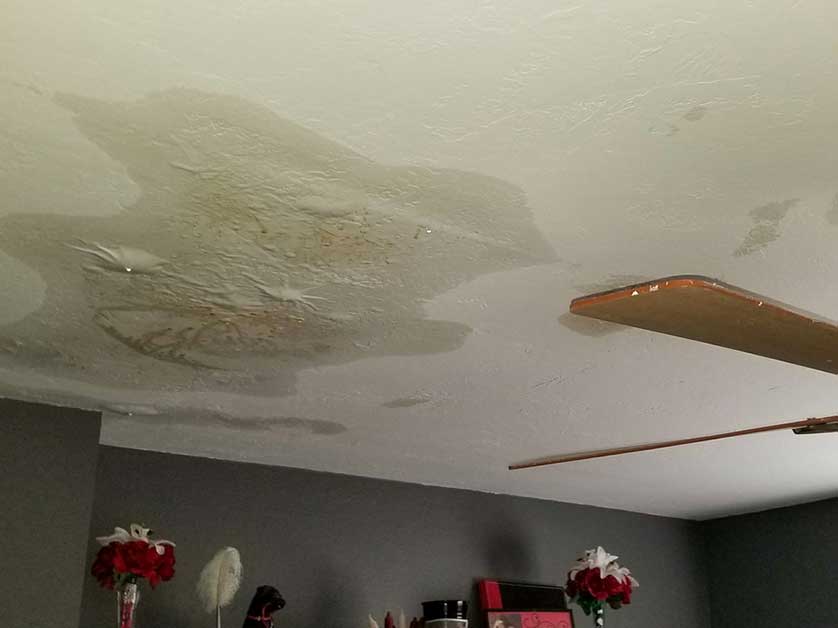
Water stains or damp patches on your ceiling or walls are more than cosmetic concerns. They often signal an underlying problem that requires prompt attention. Distinguishing a genuine roof leak from condensation can save you money and help prevent unnecessary repairs. Understanding the differences allows you to better protect your property and know when it’s time to call professionals like The Badger Company.
Common Symptoms of Roof Leaks
Roof leaks typically appear after heavy rain, snowmelt, or severe storms. Some common signs include:
- Visible water dripping or pooling during or after rainfall
- Brown, yellow, or rust-colored ceiling stains that expand after precipitation
- Damp walls, attic insulation, or rafters directly beneath the roof
- Peeling paint or bubbling plaster in localized areas
These indicators are especially common after strong winds or hail, which can cause storm damage. The Badger Company regularly handles commercial roof repair resulting from sudden leaks after severe weather, particularly during late winter and early spring.
How Condensation Mimics a Roof Leak
Condensation often confuses property owners, especially during cold winters and humid summers. Although it can resemble a roof leak, condensation occurs when warm, moist indoor air comes into contact with cold surfaces, typically in underinsulated attic spaces or on metal fasteners that penetrate the roof.
Key signs that point to condensation include:
- Dampness that appears mainly in the coldest areas of the building, regardless of rainfall
- Widespread moisture rather than a single concentrated area, often accompanied by mold growth in corners
- Poor attic ventilation, inadequate air sealing, or high indoor humidity
- Dripping that occurs on cold, clear mornings instead of after a storm
Commercial buildings with large, unheated roof spaces or those that have recently been upgraded with new commercial siding may experience increased condensation if ventilation is not also improved.
Seasonal and Structural Risk Factors
Both roof leaks and condensation are common in areas that experience significant seasonal weather changes. Storms often lead to an increase in commercial roof repair needs, while condensation problems become more common as temperatures drop and indoor heating increases.
Buildings with older roofs, inadequate insulation, or recent renovations that affect airflow are more susceptible to both issues. The Badger Company has seen cases where energy-efficient upgrades unintentionally created new condensation problems because ventilation was not properly addressed.
How to Tell the Difference in Your Property
To help determine whether you’re dealing with a roof leak or condensation, ask yourself:
- Did the moisture appear after a rainstorm or snowmelt?
- Does the problem become worse during or immediately after precipitation?
- Are there visible signs of roof damage, such as missing shingles or damaged flashing?
- Is the moisture spread throughout multiple areas, suggesting poor ventilation rather than a single point of entry?
If you answered “yes” to the first three questions, you are more likely dealing with a roof leak. If the moisture is widespread and not directly related to weather, condensation may be the cause. A proper diagnosis is essential to prevent further damage and ensure the correct repair is made.
Taking Action: Who to Call and When
If you are unsure whether moisture in your building is caused by a roof leak or condensation, contact a trusted roofing professional. The Badger Company specializes in identifying the source of moisture problems, providing expert leak repairs, and addressing condensation and storm damage to keep your property protected year-round.
If you own property in Waunakee, WI, don’t ignore the first signs of moisture. Prompt action can prevent costly repairs, protect your investment, and help keep your building safe and efficient.Give us a call at (608) 850-6282 or fill out our contact form to get started.