
A sagging roof is never a good sign for any homeowner, but whether it qualifies as an emergency depends on several key factors. Recognizing the urgency, potential causes, and implications for your property’s residential roofing, residential siding, and gutters is critical. Understanding what a sagging roof means and the factors that contribute to it will help you make the safest decisions for your home.
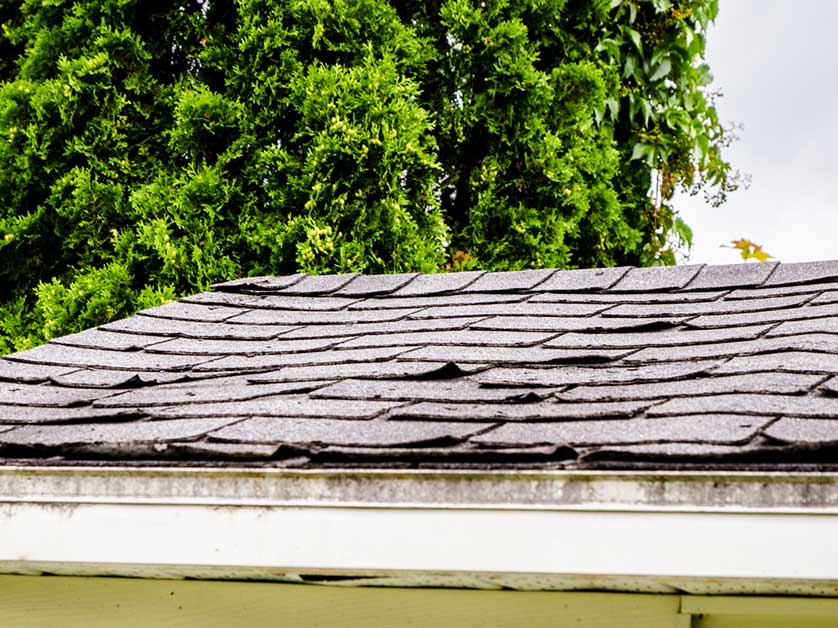
What Causes Roof Sagging?
Roof sagging occurs when structural components, such as rafters or trusses, begin to weaken or deteriorate. Seasonal conditions like heavy snow, ice dams, and repeated freeze-thaw cycles can place significant stress on a roofing system. Older homes may also be more vulnerable because of aging construction methods and materials.
Common causes include:
- Prolonged snow accumulation during the winter
- Water intrusion from ice dams that damages the roof sheathing and rafters
- Poor attic ventilation that accelerates wood rot
- Aging or improperly installed roofing materials
Identifying these issues early can often prevent more extensive damage, not only to your residential roofing but also to your home’s structural integrity and gutter system.
How to Identify a Roof Sag Emergency
While every roof sag should be taken seriously, not all situations require immediate emergency service. Here are some signs that indicate a more urgent problem:
- Sudden, noticeable drooping or bowing of the roof, which may indicate a structural failure
- Visible cracks in ceilings or walls beneath the sag, suggesting that structural supports may be compromised
- Bowed or detached gutters and warped residential siding, which can indicate movement caused by roof deformation
If severe weather is approaching and your roof is already sagging, the risk of water intrusion and additional structural damage increases significantly.
Why Prompt Action Matters
Ignoring a sagging roof can allow moisture to enter your home, leading to:
- Mold growth in ceilings and walls
- Damage to insulation and interior finishes
- Damage to residential siding and gutter systems
- More extensive and costly repairs as the problem worsens
Homes that delay repairs often experience rapid interior water damage and, in severe cases, structural failure, particularly if the underlying issue continues to go unaddressed.
Prevention and Timely Repairs
Regular roof inspections, especially after severe weather or winter conditions, are one of the best ways to prevent major structural problems. Watch for early warning signs such as:
- Water stains on ceilings or around attic access points
- Unusual creaking sounds or visible sagging along the roofline
- Gutters pulling away from the fascia or overflowing during rain
Maintaining your residential roofing and keeping your gutters free of debris can help prevent minor issues from becoming major emergencies. Many homeowners schedule annual roof inspections to identify problems before they become costly repairs.
When to Call a Local Roofing Professional
If you notice a sudden or significant roof sag, or if you see interior cracks, water stains, or displaced gutters, contact a trusted residential roofing contractor as soon as possible. The experienced team at The Badger Company can assess the condition of your roof, determine the severity of the issue, and recommend the appropriate repair solution. We also provide services that help protect your residential siding and gutter system, ensuring your home’s exterior remains in excellent condition.
Contact The Badger Company for Sagging Roof Assessments
A sagging roof should never be ignored. If you notice warning signs or want to ensure your residential roofing is in excellent condition, contact The Badger Company. Our experienced team provides comprehensive roof inspections and lasting repair solutions for roofing, siding, and gutter systems. Give us a call at (608) 850-6282 or fill out our contact form to get started. We proudly serve homeowners in Waunakee, WI and surrounding areas.